

Collaboration in Binational Research and Engagement on Shared Aquifers
Photo: Santa Cruz River
Background
Para la versión en español, HAZ CLICK AQUI
TAAP-A/S (Transboundary Aquifer Assessment Program-Arizona/Sonora) is a federally funded program co-hosted by the USGS Arizona Water Science Center in Tucson, Arizona, and the Water Resources Research Center (WRRC) at the University of Arizona. The program originates from U.S. Public Law 109-448, signed by the President on December 22, 2006 as the Transboundary Aquifer Assessment Act.
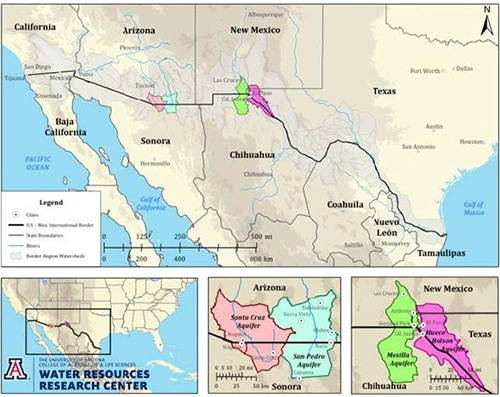
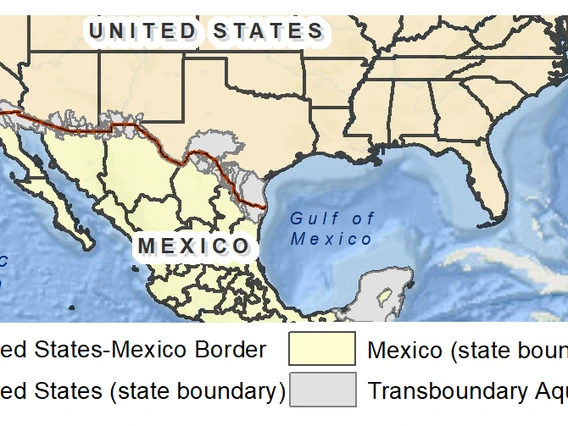
The Act applies to the states of Texas, New Mexico, and Arizona, where four transboundary aquifers have been designated for priority assessment; those being the Hueco Bolson and Mesilla Basin aquifers in the greater El Paso / Ciudad Juárez region, and the Santa Cruz and San Pedro aquifers across the Arizona – Sonora border (see map). TAAP-A/S is designated to operate for 10 years, with $50 million authorized for appropriation over that time period.
Mexican participation started in 2009, after the signing of the Joint Report of the Principal Engineers Regarding Joint Cooperative Process United States-Mexico for the Transboundary Aquifer Assessment Program (Joint Report).
WRRC-TAAP Highlights
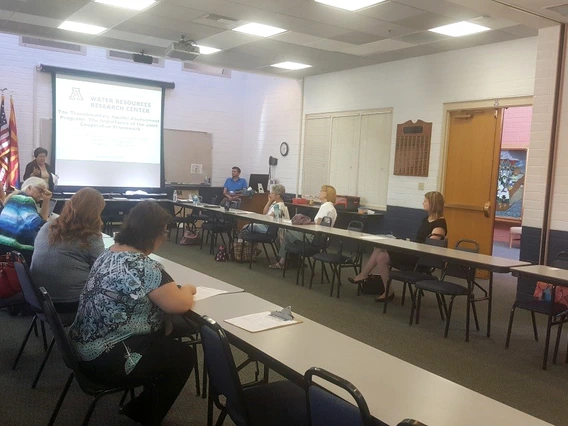
Transboundary aquifer reconnaissance work, characterization of selected border communities, stakeholder engagement, collaborative efforts identified through the TAAP Cooperative Framework.
Development of water balance modeling tools to characterize the effects of system changes, particularly related climate uncertainties and changes in groundwater demand.
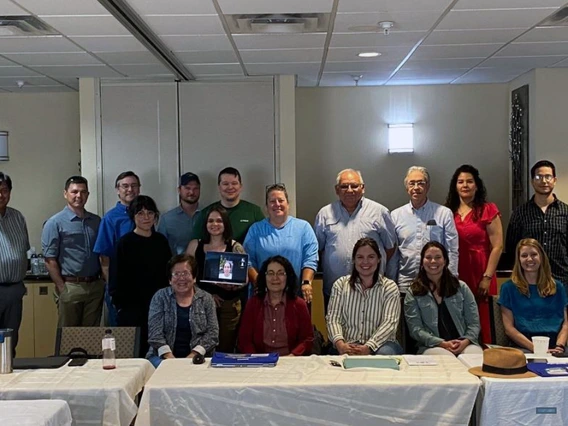
Participation in binational technical working meetings, publication of journal articles and reports, presentations at regional, national, and international conferences, organization of forums and seminars for improving knowledge on transboundary aquifers.





TAAP News and Events


TAAP Publications

TAAP-Official Binational Report — Santa Cruz Aquifer
The International Boundary and Water Commission, United States and Mexico (IBWC) have completed the Binational Study of the Transboundary Santa Cruz Aquifer.

TAAP-Official Binational Report — San Pedro Aquifer
The International Boundary and Water Commission, United States and Mexico (IBWC) have completed the Binational Study of the Transboundary San Pedro Aquifer.
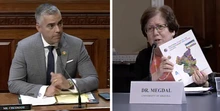
Reflections: Testifying on Reauthorization of the Transboundary Aquifer Assessment Program
On October 25, 2023, I had the honor of presenting testimony on H.R. 5874 at the U.S. House of Representatives Committee on Natural Resources, Subcommittee on Water, Wildlife and Fisheries.


Other Relevant Topics
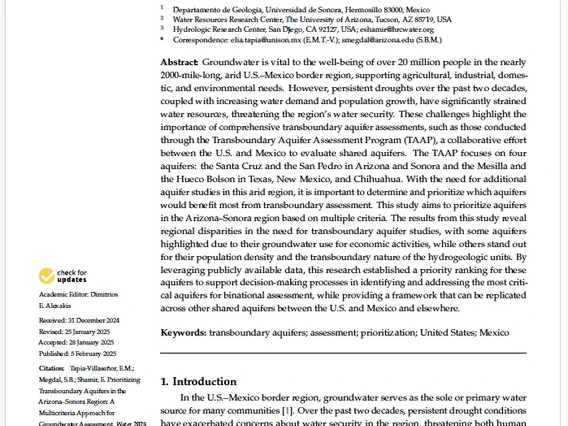
Transboundary Aquifers: Challenges and the Way Forward
Groundwater is vital to the sustainability and survival of human communities in the U.S.-Mexico border region, a nearly 2000 mile-long, arid zone in North America where climate uncertainty prevails.
Crafting Binational Groundwater Agreements for Transboundary Aquifer Sharing
Published in January 2024 in Water Economics and Policy, the Policy Nook article titled “Crafting Binational Groundwater Agreements: Preconditions for Progress” examines the challenges impeding diplomatic advances in bilateral cooperation on transboundary aquifer sharing and explores opportunities
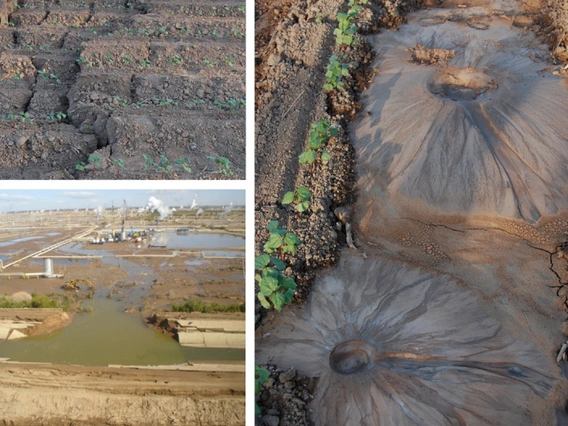
Reflections: on April 4, Easter, and the Earthquake
In 2021, the Easter holiday once again fell on April 4, which happens to be my birthday. This coincidence previously happened in 1999 and 2010. For different reasons, I think back to both. In 1999, Tucson, Arizona experienced snow on Easter morning.
Additional Information
The views and conclusions contained on this page are those of the authors and should not be interpreted as representing the opinions or policies of the U.S. Geological Survey. Mention of trade names or commercial products does not constitute their endorsement by the U.S. Geological Survey.